Krakow
The official partnership between Kamianets-Podilskyi and Krakow was established on 14 September 1995 with the signing of the Agreement on Cooperation and Cultural Relations. Since then, cooperation between the two cities has encompassed the fields of education, culture, science, tourism, and municipal affairs. Over the decades, Kamianets-Podilskyi and Krakow have developed strong professional and institutional ties, which have taken on renewed significance in the context of Russia’s full-scale war against Ukraine and the prospects for post-war reconstruction.
Historical Background of Cooperation
The first systematic contacts between Kamianets-Podilskyi and Krakow developed actively during the 1990s, largely through cooperation between educational institutions and academic communities. An important role was played by joint research in the fields of history, architecture, cultural heritage preservation, and the humanities.
Academic contacts gradually contributed to the development of municipal dialogue and youth and educational cooperation. Representatives of educational institutions from Kamianets-Podilskyi visited Krakow as part of educational projects, facilitating the exchange of experience, cultural enrichment, and the establishment of new international partnerships.
Municipal Cooperation
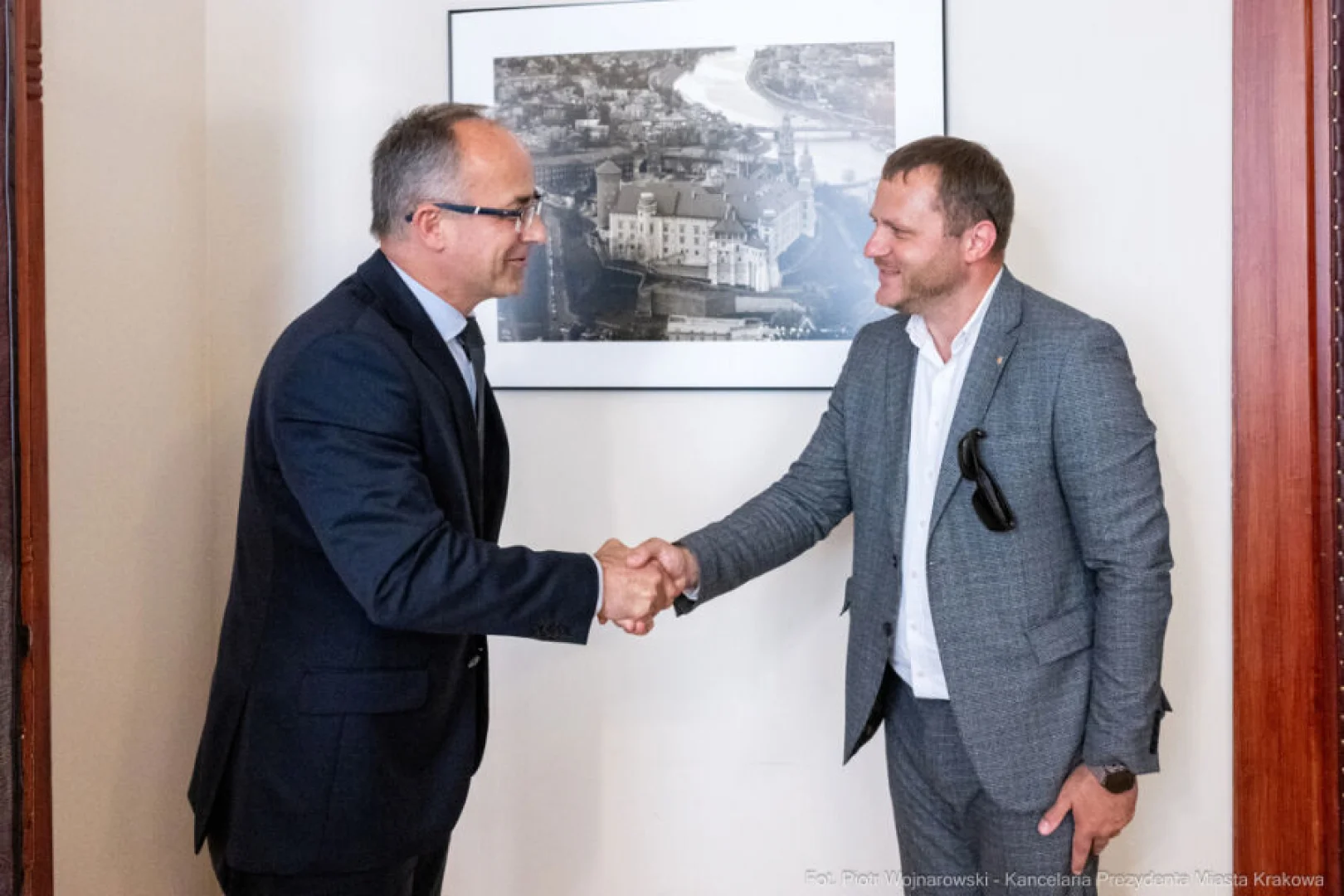
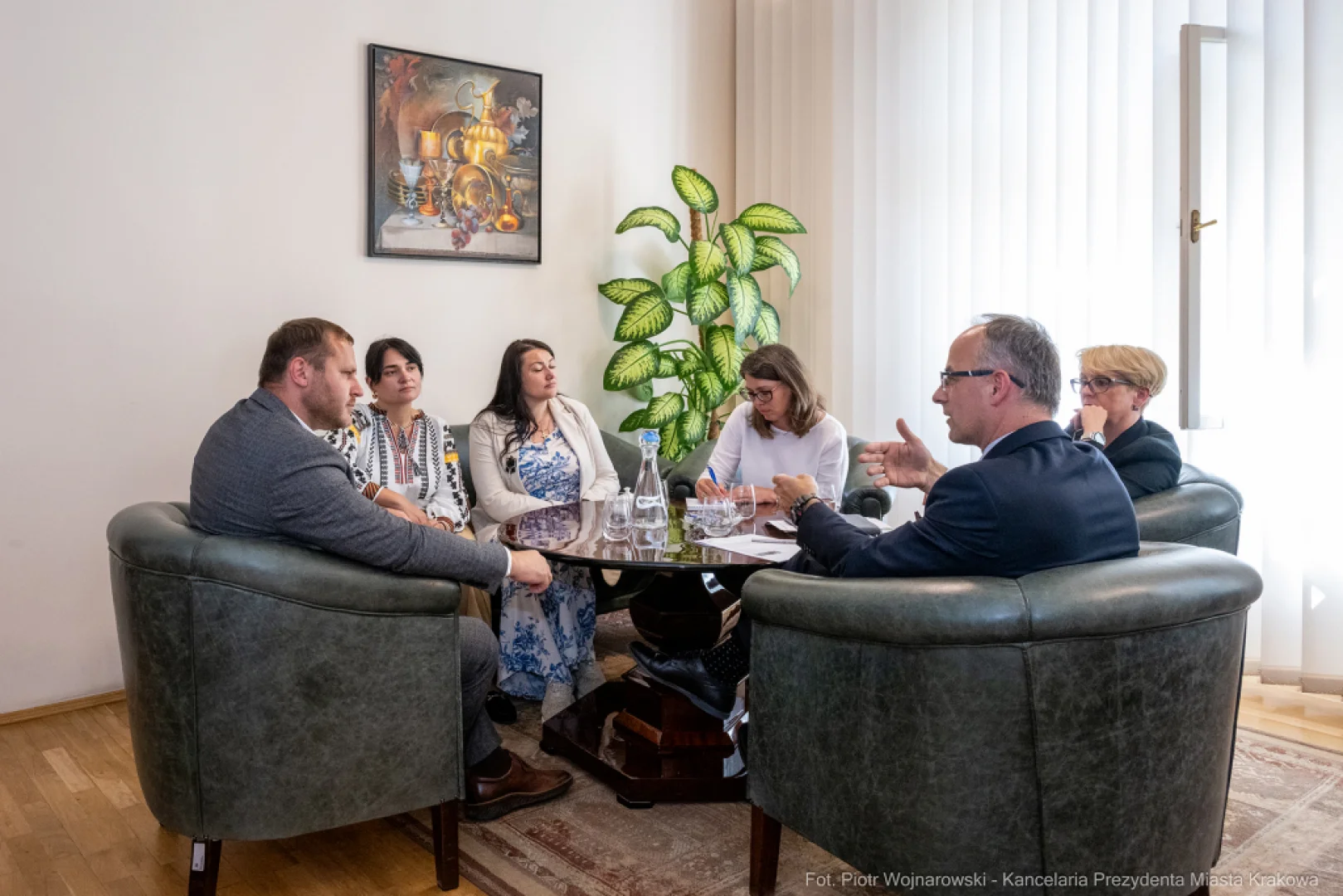
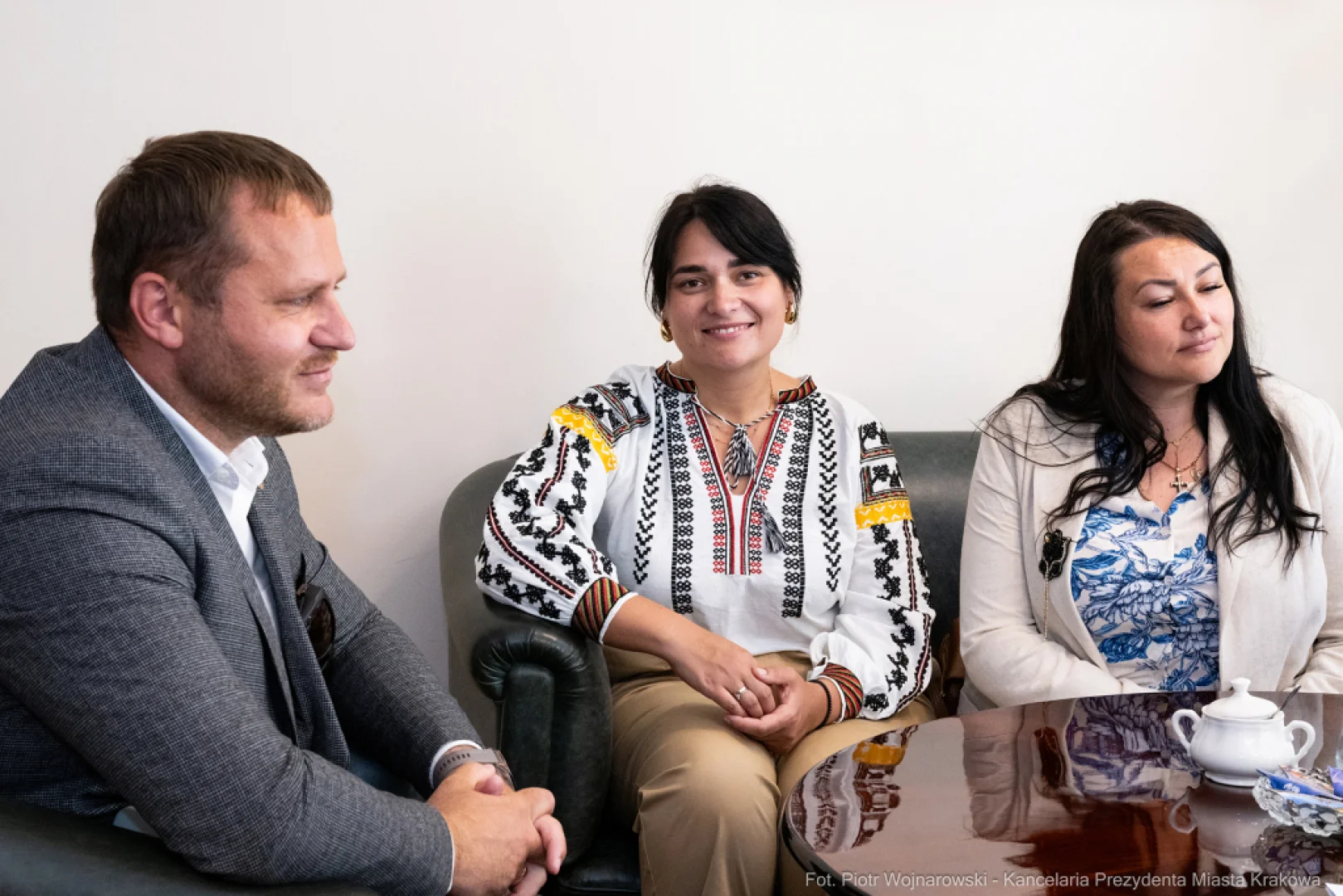
A new stage in relations between the two cities began in 2024. On 6 June 2024, a delegation from Kamianets-Podilskyi, headed by Mayor Mykhailo Positko, visited Krakow. The Ukrainian delegation met with Krakow City Secretary Antoni Fryczek and Beata Sabatowicz, a representative of the Office of the Mayor of Krakow responsible for international cooperation.
During the meeting, the Ukrainian side expressed its gratitude to Krakow and its residents for their support of Ukrainians, in particular for assistance provided to women and children who had been forced to leave their homes due to the full-scale war. In turn, Kamianets-Podilskyi shared its own experience of accommodating internally displaced persons. According to information provided by Krakow, approximately 20,000 internally displaced persons were staying in Kamianets-Podilskyi at that time.
Particular attention during the meeting was paid to the similarities between the two cities. Both Krakow and Kamianets-Podilskyi possess a rich historical and cultural heritage, historic city centres, and significant tourism potential. Therefore, the parties identified the revitalisation of historic areas, preservation of cultural heritage, tourism development, and the exchange of municipal experience as promising areas for further cooperation.
Tourism and the Development of the Historic Urban Environment
One of the promising areas of cooperation is the exchange of experience in tourism development and the preservation of the historic urban environment. Kamianets-Podilskyi is interested in Krakow’s experience in combining tourism attractiveness with a high quality of life and comfort for local residents.
During the 2024 meeting, the parties discussed tourism development, the management of tourist flows, and the revitalisation of historic areas. Krakow’s experience could be taken into account in the further development of the Old Town and tourism infrastructure of Kamianets-Podilskyi.
Aid and Support for Ukraine
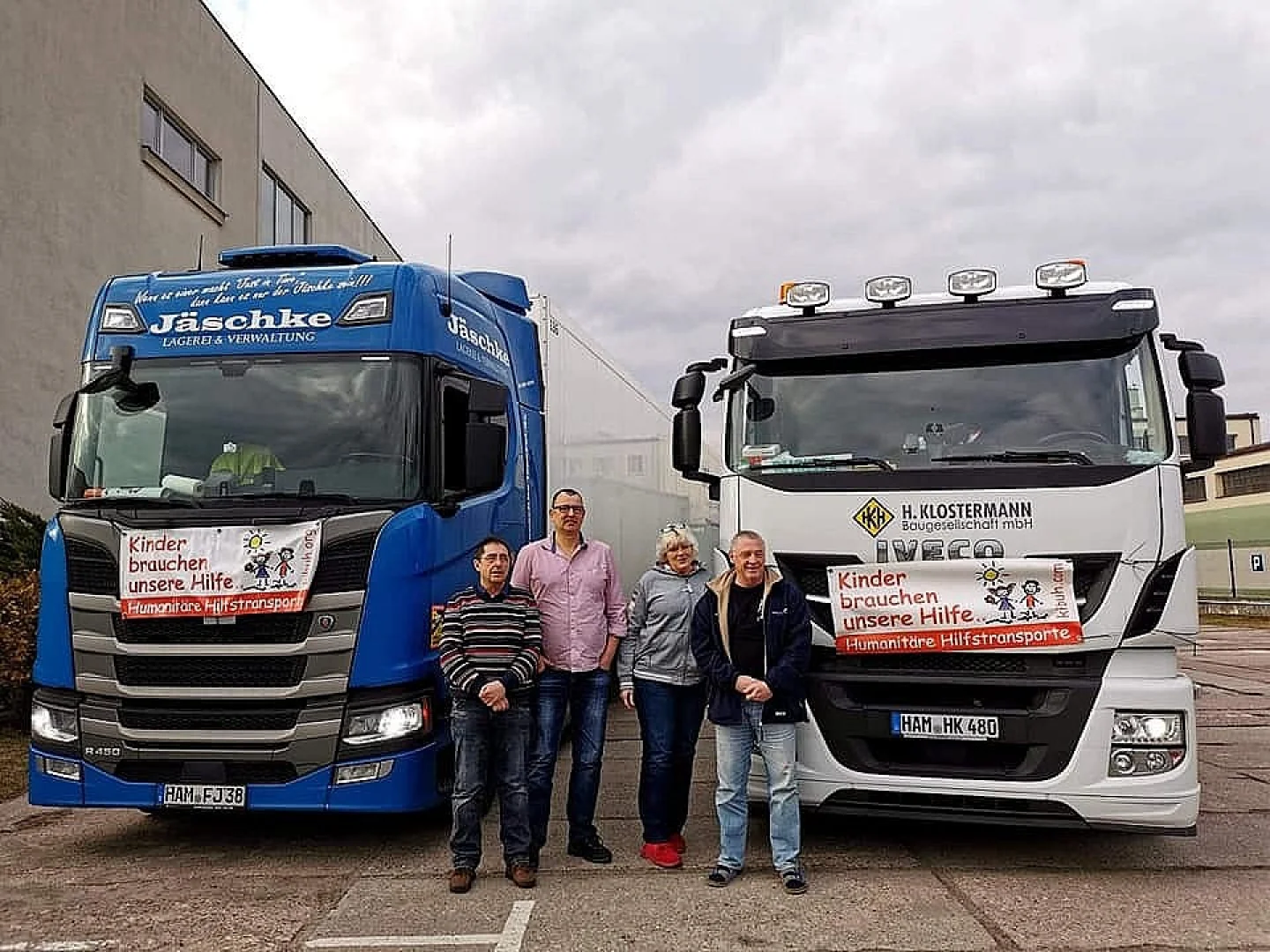
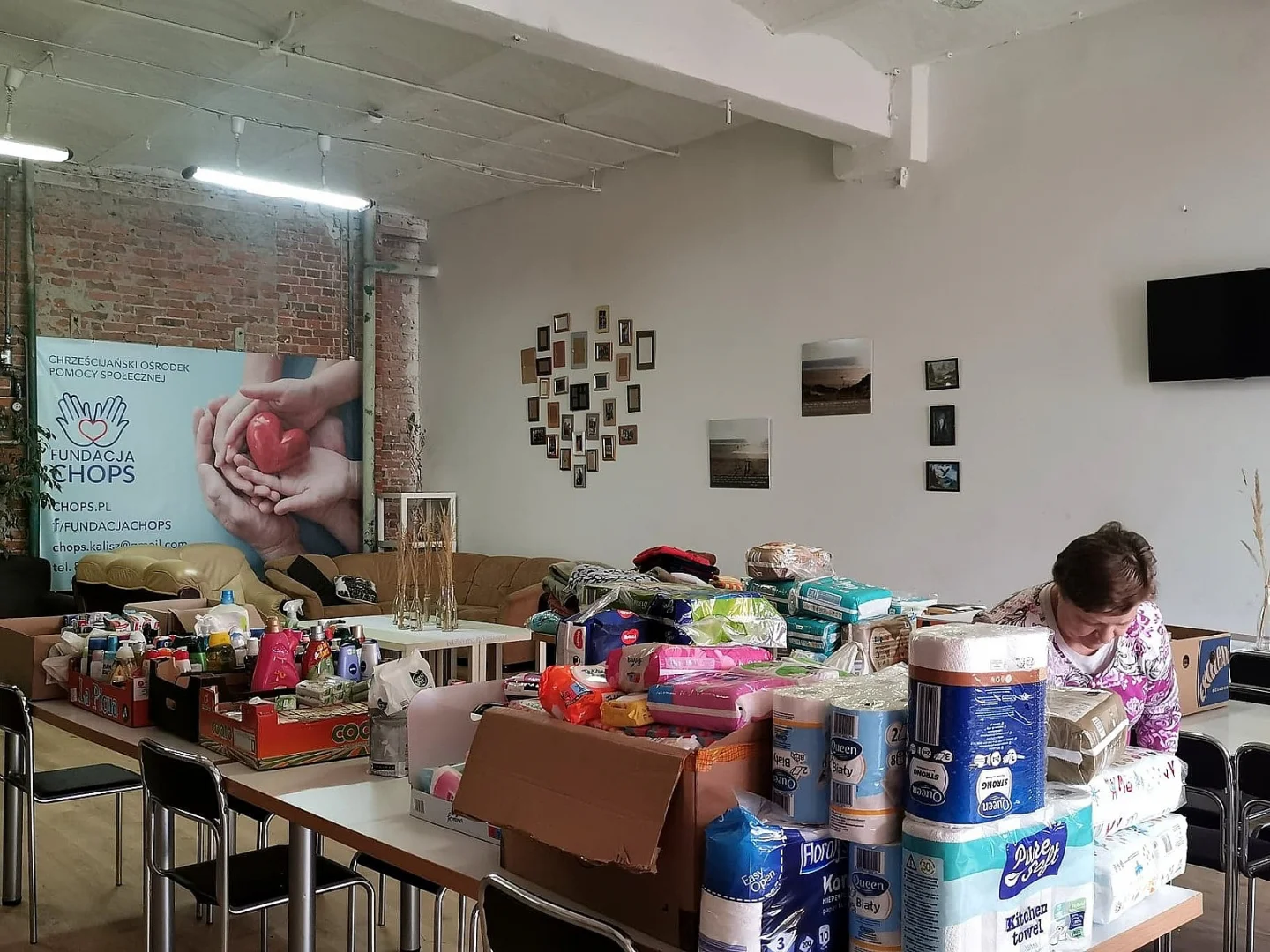
Following the outbreak of the full-scale war, the nature of cooperation between Ukrainian and Polish cities changed significantly. Humanitarian assistance became an important element of this cooperation.
During the meeting in Krakow in June 2024, the Mayor of Kamianets-Podilskyi expressed his gratitude to Krakow for its support for Ukrainian citizens. It was emphasised that support for Ukrainian women and children in Poland is directly linked to the ability of their family members, including military personnel, to continue defending Ukraine.
At the same time, Kamianets-Podilskyi itself became an important centre for receiving internally displaced persons and demonstrated the community’s own experience in responding to the challenges posed by the war. Such an exchange of experience is an important element of contemporary municipal diplomacy.
Cultural and Educational Cooperation
The cultural and educational dimension has been one of the longest-standing elements of relations between the two cities. Historically, contacts developed through educational and academic institutions, as well as through exchanges involving students, teachers, and researchers.
Some educational contacts continue to develop today. In 2025, Ivan Ohiienko Kamianets-Podilskyi National University concluded an international partnership agreement with the Institute of Family, Pedagogy and Social Work of the Pontifical University of John Paul II in Krakow. The university’s Faculty of Education is involved in the cooperation on the Ukrainian side. This creates opportunities for academic exchanges, joint educational initiatives, and professional communication between teachers and students.
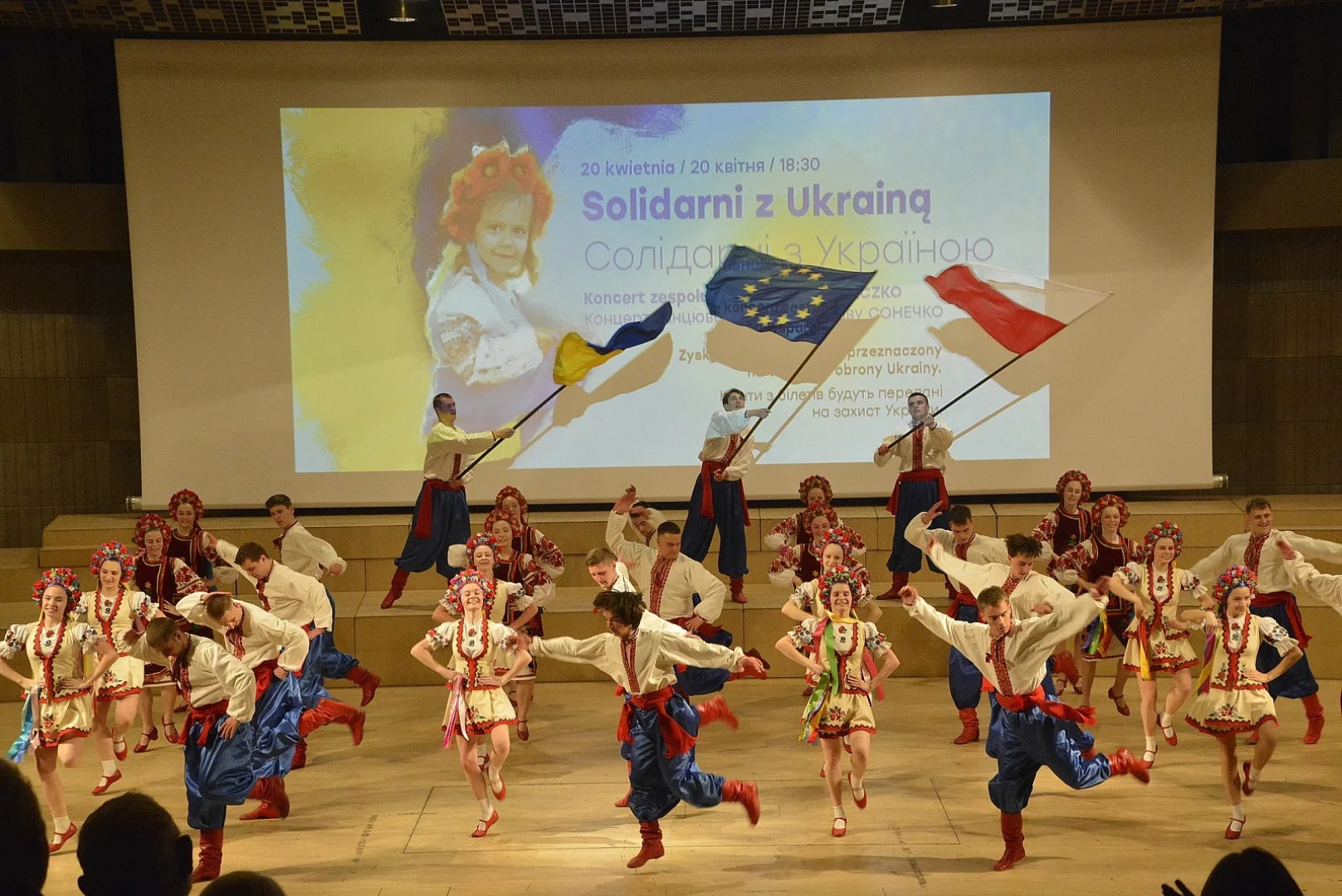
Cooperation between Kamianets-Podilskyi and Krakow is an important component of the community’s international relations and is developing on the basis of a shared interest in preserving cultural heritage, developing historic cities, promoting tourism, and exchanging professional expertise. The established contacts enable the two cities to share practical experience, support joint initiatives, and create new opportunities for further cooperation.